Burning ambition: can waste help solve the energy conundrum?



As a society, we face dual dilemmas as we spread our footprint across the Earth: a surplus of garbage from our homes and industries, and a lack of clean energy to power our daily lives. Increasingly, it appears these two problems might have a single solution through: reprocessing and reuse – waste-to-energy.
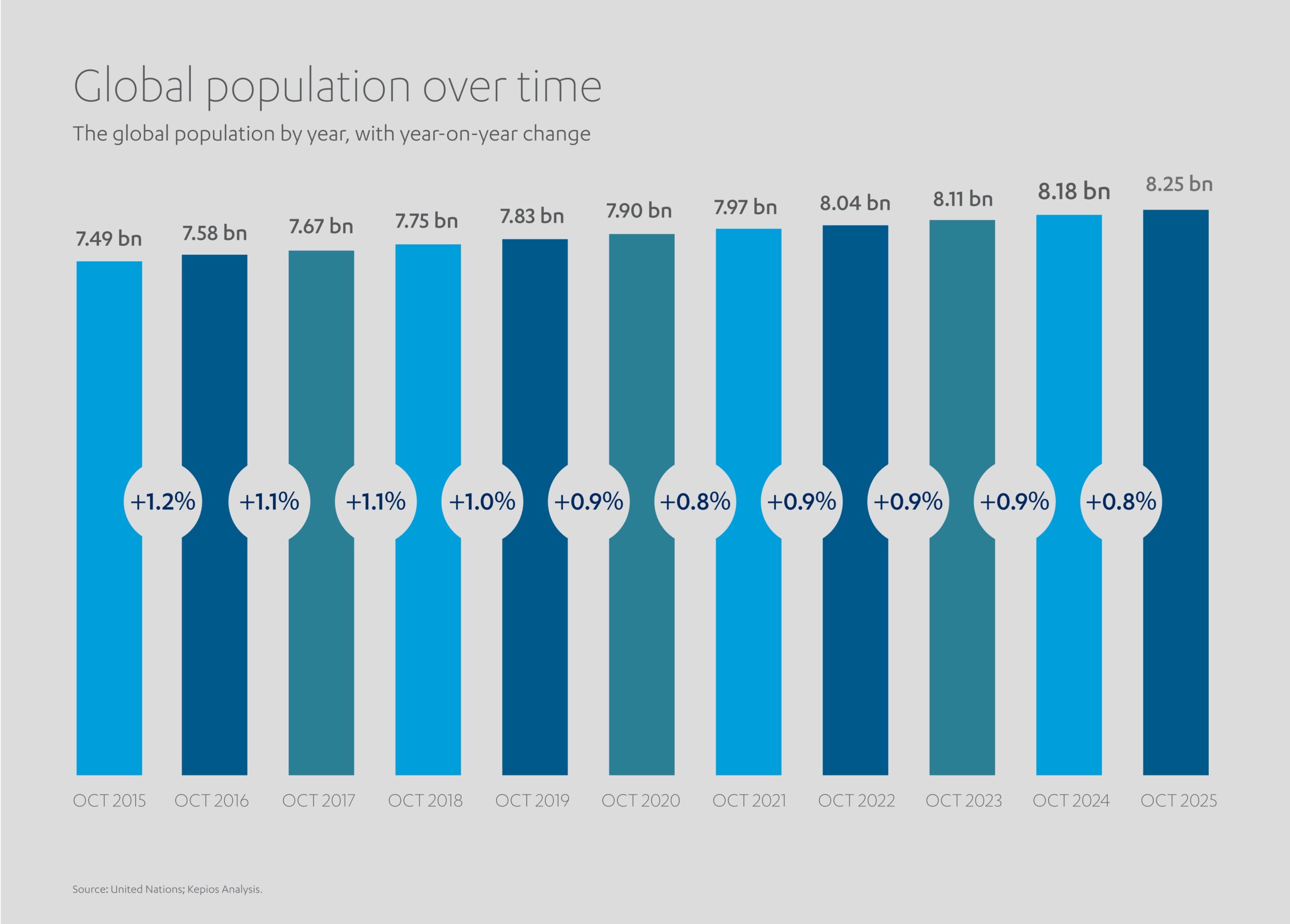
The global population is growing rapidly, expanding a further 0.8% in 2025 to 8.25 billion people.[1] Inevitably, this rising tide of humanity directly correlates with the amount of waste we create and the amount of energy we collectively consume.
As recently as just a decade ago, we were generating around 2 billion tons of municipal, agricultural and industrial waste annually. By 2030 this will have climbed more than a quarter, surpassing 2.5 billion tons. Much of this ends up in landfill, where it not only pollutes soil and infiltrates water tables but also produces highly potent greenhouse gases such as methane. Troublingly, this is a trend which shows no sign of abating, and by mid-century the annual global tally of trash will be approaching 3.5 billion tons.[2]
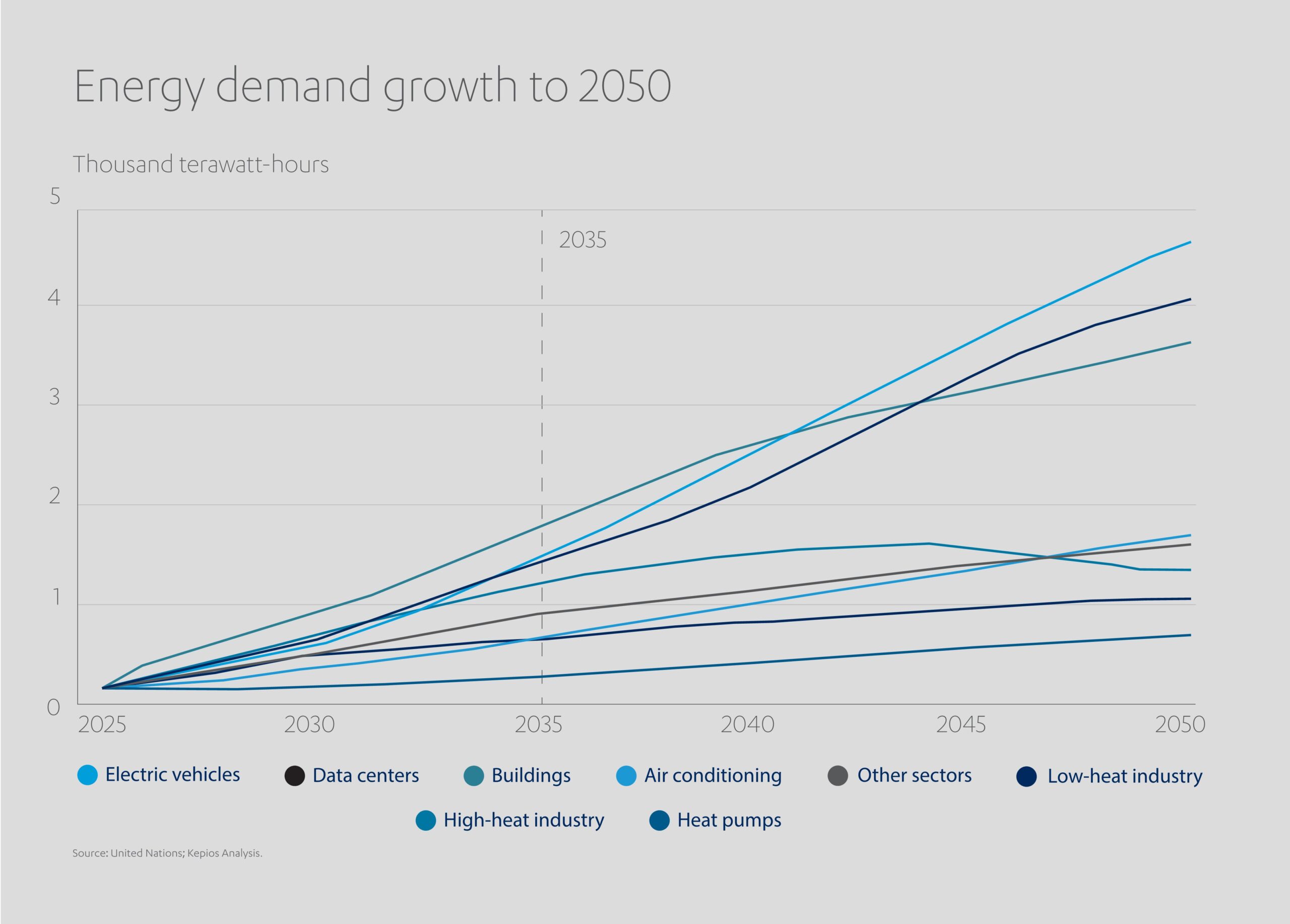
Apart from creating waste, modern life is also an energy-hungry phenomenon. At the turn of the century, we consumed around 13,000 TWh of energy per year. In the intervening years this has more than doubled to around 27,000 TWh. By 2050 buildings, factories, air conditioning units, data centers and electric vehicles will ensure global energy consumption climbs further still, to an estimated 47,000 TWh.[3]
So, the big question must be: Can waste-to-energy help neutralize these competing pressures?
How does waste-to-energy work?
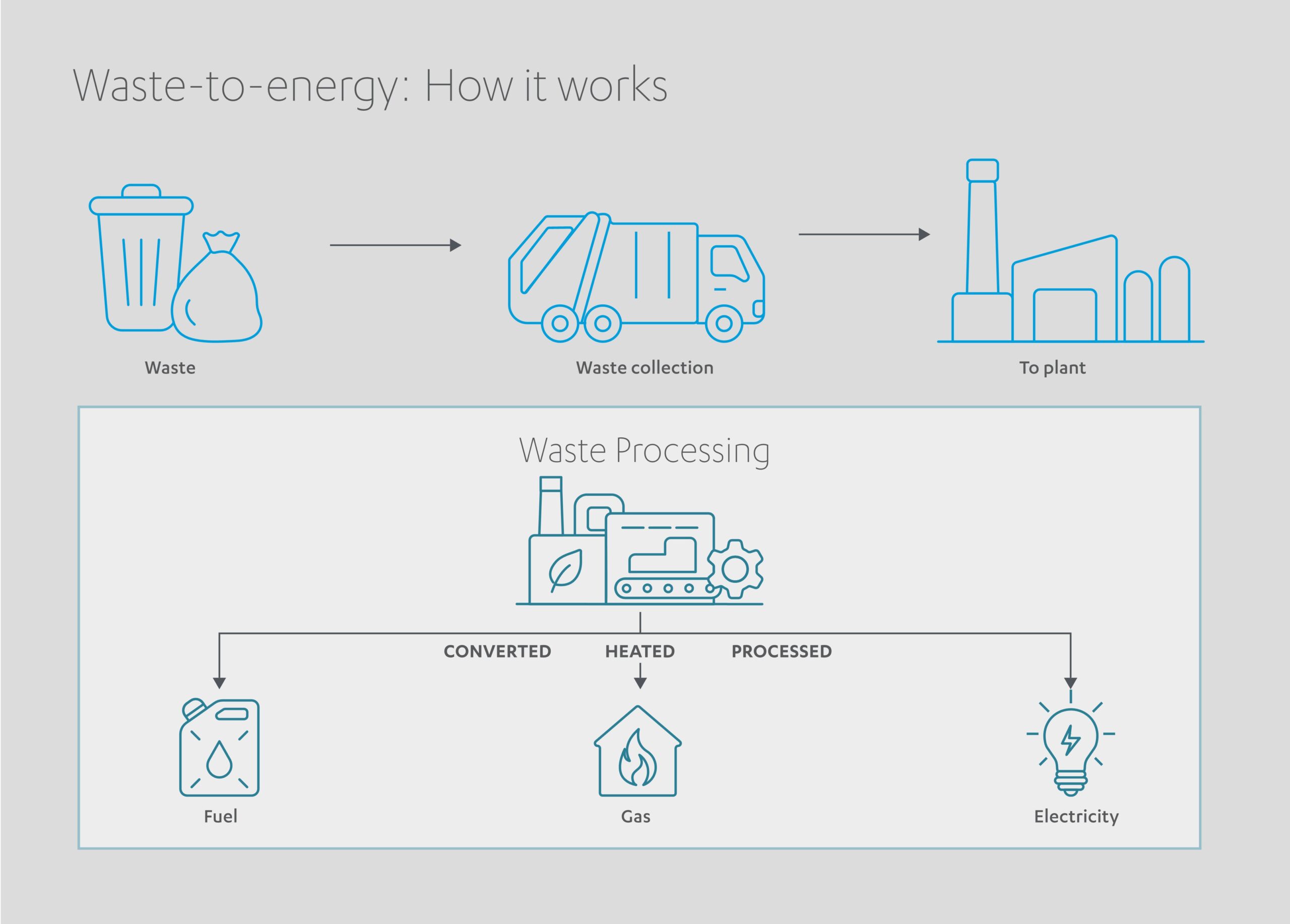
Waste-to-energy systems encompass a range of concepts centered on thermal reprocessing. They generate electricity, fuel or heat from material that would otherwise be left to decompose. The main technologies include:[4]
- Combustion: Burning waste directly – typically paper, plastics and fabrics – to produce heat produces an energy efficiency of anywhere from 15%-27%.
- Gasification: Common waste materials, from packaging and garden waste to furniture and appliances, can be mixed with oxygen or steam at high temperature and converted to syngas (synthetic gas). This can then be turned into electricity or used to make transport fuels, with up to 40% to 50% net efficiency.
- Pyrolysis: Organic waste can be thermally degraded, breaking down complex organic chains into bio-oil, biochar or syngas, with anywhere from 60% to 85% of initial waste energy captured and preserved for reuse.
- Anaerobic digestion: Food and animal products can be broken down to biogas or fertilizer within an oxygen-free chamber. Just 5.5 million tons of food waste would generate enough energy to satisfy the electrical demands of around 164,000 average homes a year.
Crucially, waste-to-energy is a high-impact, wide-ranging solution. Some 85 kilograms out of every 100 kilograms of solid waste in the USA, for example, is deemed suitable for reprocessing, promising a bounty of cleaner electricity.[5]
How can thermal processing power our modern lifestyles?
Thermal processing – extracting energy from physical waste – is a multi-stage process with high energy yields and measurable economic rewards.
It begins with waste being sifted to remove any recyclable or dangerous material. The remainder is then treated with heat at high temperatures dictated by technology type:
- Direct combustion demands temperatures up to 1,100 degrees to create steam and turn a turbine.
- Gasification burns waste at around 800 degrees in a low-oxygen environment to create a hydrogen/carbon monoxide-rich gas.
- Pyrolysis operates at 450-800 degrees to thermally degrade material into oil, gas or char.
Whichever technology is used, residual products such as ash can be collected afterwards and used as fertilizer, textile dye, or as a raw material for construction.
Emission controls can help reduce or offset any byproducts released during treatment. New filtration technologies are being developed to extract hydrogen chloride (a chief contributor to corrosive acid rain) and sulfur oxides (harmful to human respiration), along with assorted dusts and dioxins. This rapidly evolving family of technologies incorporates quenching chambers, rotary atomizers and catalytic reactors, ensuring we minimize pollutants while maximizing energy potential.[6]
How rapid is growth in the waste-to-energy sector?
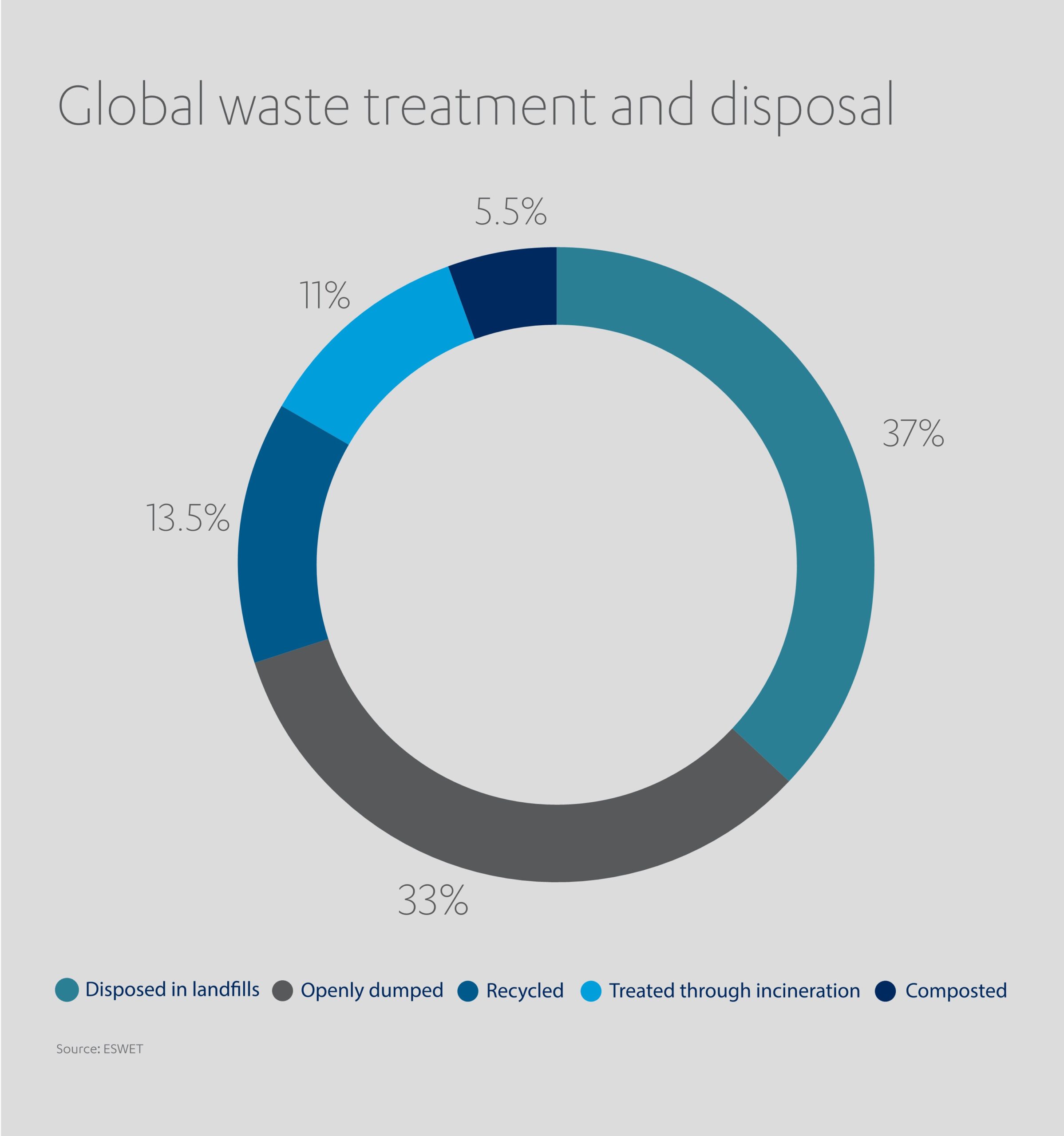
Currently, only around 11% of the waste we produce globally is thermally reprocessed. A further 19% is either recycled or composted, but a far less productive fate awaits the remainder. Some 37% of waste is disposed of in landfills, while 33% is openly dumped, meaning 70% of waste worldwide is left to fester, its energy potential squandered.[7]
With so much material waiting to be exploited, and with technology continually advancing, the growth trajectory for the waste-to-energy sector is enormous. Market size was valued at US$ 37.29 billion in 2025 and is forecast to reach US$ 38.88 billion this year, before growing to US$ 51.68 billion by 2034 for a CAGR of 3.62%.[8]
Asia-Pacific commands almost half of the entire waste-to-energy market as of 2025
Activity is currently centered around the Asia-Pacific region, which commanded almost half (48.24%) of the entire waste-to-energy market in 2025. A cluster of reasons underpin this geographical dominance, from increasing urbanization and industrial investment, to supportive policies from major economies such as China, India and Japan.
Commercial viability for waste-to-energy projects is being driven by several trends:
- Automated sorting: Evolutions in sensors and robotics means waste can now be identified and stratified with unprecedented accuracy.
- New funding models: New waste processing infrastructure is increasingly funded by public-private partnerships, harnessing the legislative heft of state bodies and the financial freedom of big business.
- Policy support: Countries leading the waste-to-energy transition have one thing in common – a supportive legislative environment. Denmark, for example, has gradually increased landfill taxes, devolved responsibility for waste treatment to municipal authorities, and integrated waste plants with heating systems. Japan has rolled strict waste management rules into broader emissions-control standards. China has enshrined tough national and provincial waste management targets, while ramping up state investment in waste infrastructure. Countries in the European Union, meanwhile, are governed by the EU’s Landfill Directive, waste incineration standards, and legislation promoting renewable energy.
- Digitization: Waste-to-energy plants are operating more efficiently than ever thanks to smart technologies such as SCADA (Supervisory Control and Data Acquisition), for 24/7 performance monitoring and troubleshooting.
- Circular economy principles: More governments are adopting strategies to reduce waste, recirculate materials and regenerate nature, by easing the permissions process for ambitious waste-to-energy schemes.
With momentum firmly behind the sector, a series of big-budget waste-to-energy projects worldwide is demonstrating the financial and environmental sustainability of this burgeoning technology.
Which are the biggest waste-to-energy projects globally?
Sweden has emerged as an innovation hub for waste-to-energy innovation. The country has more than 30 separate waste-to-energy plants, together providing heat for almost 1.5 million homes and electricity for 780,000 households.[9] Altogether, these plants produce around 17 TWh of energy each year.[10]
Thanks to decades of supportive policies and public awareness campaigns, less than 1% of waste in Sweden is sent to landfill.[11] Instead, around 52% of waste is incinerated for energy, or used to power homes, offices and public infrastructure. So established are their high-tech incinerators that Sweden imports an additional 1.3 million tons of waste for processing annually from countries like Norway, the UK and Ireland.
Sweden has more than 30 waste-to-energy plants, together providing heat for almost 1.5 million homes and electricity for 780,000 households
The Mälarenergi Combined Heat & Power (CHP) waste-to-energy plant in Västerås, for example, boasts one of the world’s largest waste-fired boilers, handling some 480,000 tons of household trash, industrial waste and recycled wood each year.[12]
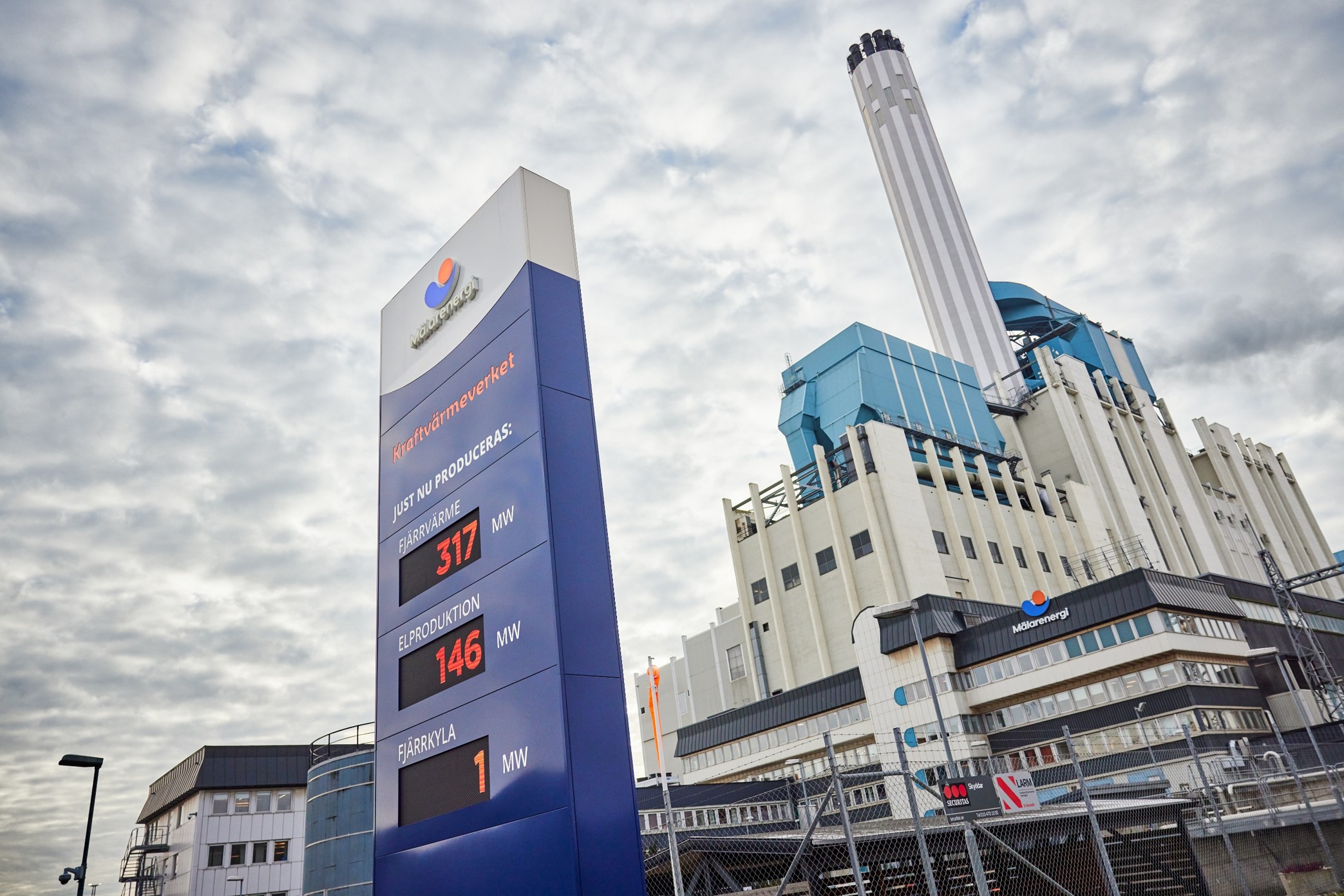
Renova’s waste-to-energy facility in Gothenburg processes some 550,000 tons of waste annually, supplying one-third of Gothenburg’s district heating and about 5% of its electricity.[13] In Stockholm, energy provider Exergi runs one of Europe’s most modern combined heat and power plants, powering the southern parts of the capital.
Waste-to-energy is surging elsewhere in Scandinavia too. The Klemetsrud plant in Oslo, Norway, processes around 310,000 tons of waste each year for 114 MW of energy, while pioneering the latest carbon capture technology to reduce emissions. In Denmark, the US$ 670 million Amager Bakke heat and power plant in Copenhagen burns some 400,000 tons of waste annually. One of the cleanest incineration plants in the world, its filtration technologies cut NOx by 95% and sulfur emissions almost entirely.[14]
When it comes to cutting-edge waste-to-energy facilities, however, the focus is firmly on the Asia-Pacific region.
- Dubai Waste Management Centre: The largest waste-to-energy plant in the world, the Dubai Waste Management Centre was built at a cost of US$ 1.1 billion and is operated by Warsan Waste Management Company. It can process up to 45% of the Emirate’s waste (1.9 million tons annually) into 200 MW of electricity for 120,000 homes.[15]
- Shenzhen Energy Ring: The Shenzhen Energy Ring, in Guangdong Province, southeastern China, produces 1.2 billion kWh for the city’s energy grid by incinerating 5,000 tons of waste every day.[16]
- Shin-Koto Incineration Plant: Japan’s largest waste combustion plant, located in Koto-ku, processes waste from 2.2 million residents daily, generating up to 50,000 kW of energy.
- TuasOne Waste-to-Energy Plant: This Singapore facility, which launched operations in 2021, incinerates 3,600 tons of waste daily to produce 120 MW of electricity for 240,000 social housing apartments.
Are waste-to-energy schemes growing larger in scale?
The future for the waste-to-energy sector could prove even more exciting, with projects increasing in frequency and scale.
Singapore’s rapidly-expanding Tuas Nexus Integrated Waste Management Facility, for example, builds on the success of its TuasOne plant. Billed as the world’s first large-scale water-energy-waste hub, Tuas Nexus is currently progressing though a schedule of phased completion.[17] Ultimately intended to incinerate around 5,800 tons of rubbish daily, it will help the island nation achieve an overall recycling rate of 70% by 2030.[18]
“This integrated facility brings us one step closer to realizing the vision of a Zero Waste Nation” – Tan Meng Dui, Singapore’s National Environment Agency
Located alongside Singapore’s Tuas Water Reclamation Plant, Tuas Nexus is targeting 100% self-sufficiency via resource integration and energy recovery. Singapore’s National Environment Agency (NEA) expects the project to save more than 200,000 tons of CO2 annually. Tan Meng Dui, NEA Chief Executive Officer, said: “The integrated facility shines the way for a more circular approach to resource management and, brings us one step closer to realizing the vision of a Zero Waste Nation.”[19]
In Bishkek, Kyrgyzstan, the first waste-to-energy plant in Central Asia is already looking to triple capacity, despite only opening in November 2025. Located at Bishkek’s primary landfill, the US$ 95 million facility features a 30 MW turbo-generator power unit to save around 100,000 tons of carbon emissions per year.[20]
Currently designed to process 365,000 tons of waste annually, the plant will grow capacity to more than a million tons as its expansion gathers pace.
A full circular economy model, with waste management at its core, could translate to a financial net gain of US$ 108.5 billion per year
With new waste-to-energy projects proliferating worldwide, the sector is set to play a central role in sustaining the global economy. According to United Nations Environment Programme (UNEP) estimates, a full circular economy model, with waste management at its core, could translate to a financial net gain of US$ 108.5 billion per year.[21]
Such impacts will accelerate as new technologies continue to improve the business case for waste-to-energy projects globally.
Case study: Mumbai, India
Another ambitious project, currently at the planning phase, is the Navi Mumbai Integrated Solid Waste Management Facility near Mumbai, India.
Phase one of the US$ 210 million project is set to be completed by 2029, handling 1,500 tons of waste per day. When fully operational the plant should generate approximately 27 MW of energy daily, and ratchet down the cost of waste disposal from Rs 500 per ton presently to Rs 385 per ton.
Will technology help turbocharge waste-to-energy sector?
Ongoing technological developments in the waste-to-energy sector are improving efficiency, environmental performance and financial outcomes for investors.[22] Notable technological evolutions include:
- Advanced combustion: Fluidized bed combustion (burning shredded waste inside a vat of inert material such as sand) provides greater fuel range, with burners capable of processing solid waste, sewage sludge and industrial biomass. Grate combustion (burning waste on ventilated grates with circulating air) is recording higher energy outputs while cutting emissions of harmful pollutants.
- New turbines and boilers: High-efficiency steam cycles, together with optimized turbine designs, are improving energy conversion rates and expanding profit potential.
- Emission constraints: Toxic particulates such as NOxare increasingly being captured by a new range of emission control technologies, such as electrostatic precipitators, fabric filters and selective catalytic reduction systems.
- Fuel optimization: Purifying waste prior to combustion helps increase energy recovery. Advanced separators and shredders are enhancing the combustion process while simultaneously reducing emissions and driving efficiency.
- Renewable integration: Solar and wind power, so vital for hitting net zero targets and ensuing energy sustainability, naturally fluctuate with meteorological conditions. This can make their integration into power grids challenging. Merging electricity from waste-to-energy plants with power from renewable sources can help improve consistency and predictability.
How can private sector aid waste-to-energy expansion?
Given the large upfront capital investments required, the private sector will play a vital role in the roll-out of more waste-to-energy projects worldwide.
ALMAR Water Solutions, part of Jameel Energy, is a globally-renowned provider of expertise in water infrastructure.
ALMAR now owns a majority stake in Chilean waste-to-energy specialist Ecoprial. Ecoprial processes organic and industrial waste from the region’s agro-industrial sector, providing waste treatment, renewable energy generation and resource recovery services.
Every year Ecoprial handles 40,000 tons of biodegradable organic waste along with 10,000 tons of non-hazardous industrial waste.
In return, it supplies 40,000 cubic meters of fertilizer for agricultural land, and a further 1.75 million cubic meters of biogas at 65% methane.
Ecoprial’s operation serves as a template for other waste-to-energy projects internationally, as more cities embrace the benefits offered by repurposing their waste.
Case study: Ecoprial aims high in Chile
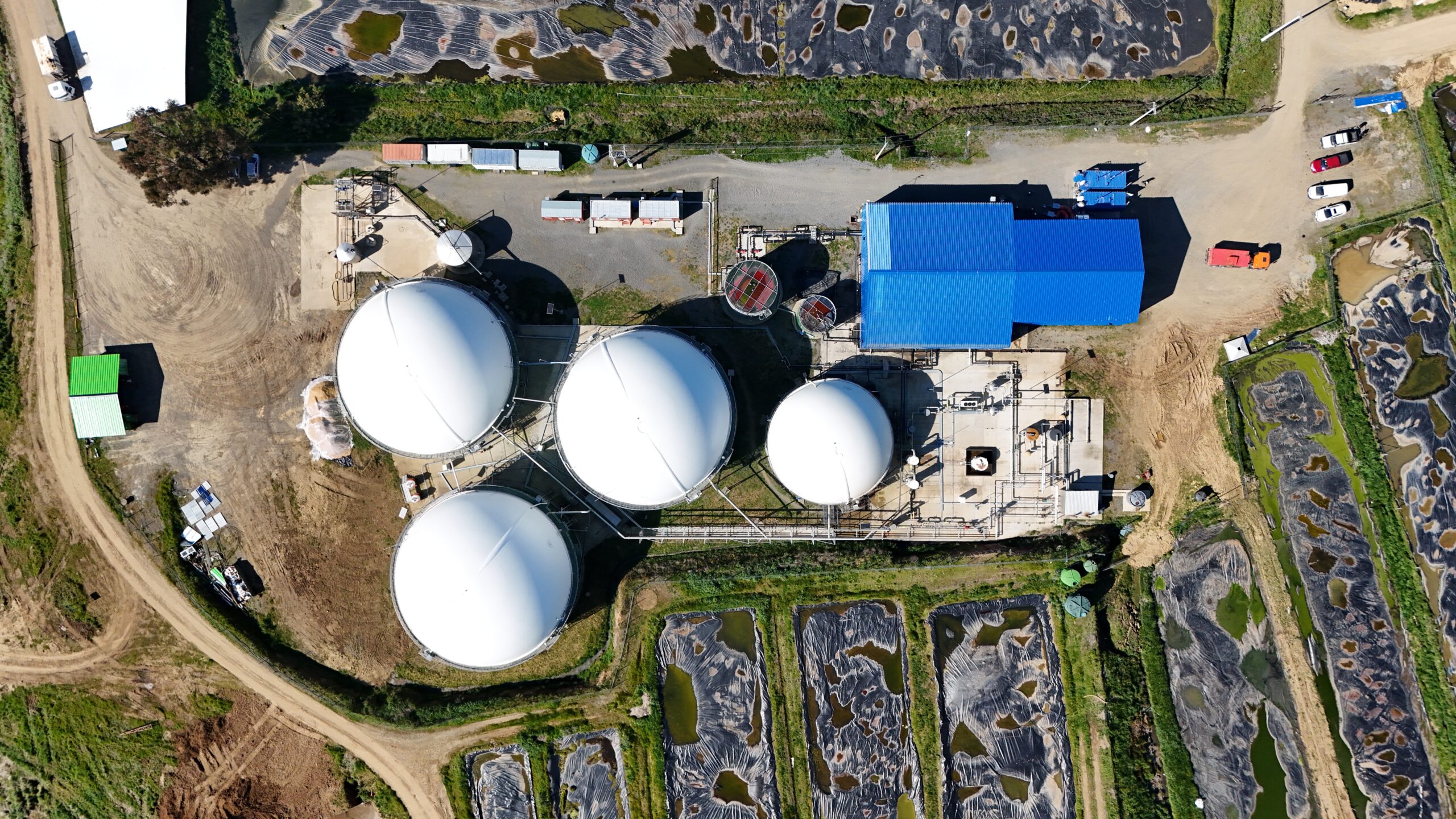
Ecoprial made headlines in Chile in 2023 when it commissioned the country’s most advanced organic waste treatment facility.
The plant, near Osorno, Los Lagos, is designed to process multi-waste streams of biodegradable matter, producing biogas for energy generation and organic fertilizer for farming.
Its anaerobic digestion process includes a pasteurization pre-treatment to protect the digestate from pathogenic microbiological contaminants.
How will waste-to-energy help shape cities of the future?
As we venture into a more waste-aware world, we will begin to see the full impacts of interconnected waste-to-energy ecosystems.
Imagine a sophisticated city-wide network of facilities based around materials recovery and energy exploitation: Metals and minerals are recycled, flue gases are treated for atmospheric protection, wastewater and seawater are purified for human consumption, biowaste is consumed by anaerobic digestion, power grids are electrified by waste-to-energy plants, and homes are warmed by residual heat.
“Waste-to-energy technology is emerging as a core component of the vision for a more sustainable planet”
Such a reality is within our grasp, even as we wrestle with the challenges underlying the sector: Negative public perceptions around safety and aesthetics, high investment costs for waste-to-energy facilities, and competition from the more mature recycling industry. Some are also concerned that if we learn how to effectively process waste, we could inadvertently encourage a more consumerist and throwaway culture.
“Waste-to-energy technology is emerging as a core component of the vision for a more sustainable planet,” says Fady Jameel, Vice Chairman, International, Abdul Latif Jameel.
“With the promise of job creation, vast economic rewards and widespread environmental improvement, failing to capitalize on the potential of this sustainable energy source would itself be an unforgivable waste.”
Waste to Energy: five fast facts
Q: How much potentially usable waste do we produce annually?
By 2030 it is estimated that we will generate around 2.5 billion tons of waste annually, rising to 3.5 billion tons by mid-century.
Q: How is waste currently disposed of, and are we squandering its potential?
Presently some 37% of waste is disposed of in landfills, while 33% is openly dumped, meaning 70% of waste worldwide is left to fester.
Q: How much energy do we require each year?
Currently we consume some 27,000 TWh of energy each year, but by 2050 this figure will rise to an estimated 47,000 TWh.
Q: Is waste-to-energy commercially viable?
The sector’s market size was valued at US$ 37.29 billion in 2025, and is expected to grow to US$ 51.68 billion by 2034.
Q: Where is the world’s largest waste-to-energy plant?
The Dubai Waste Management Centre is the largest waste-to-energy plant in the world, built at a cost of US$ 1.1 billion and processing up to 45% of the emirate’s waste (1.9 million tons annually) into 200 MW of electricity for 120,000 homes.
[1] https://datareportal.com/reports/digital-2026-global-population-trends
[2] https://www.eswet.eu/wp-content/uploads/2021/01/ESWET_2050_Vision.pdf
[3] https://about.bnef.com/insights/clean-energy/new-energy-outlook/#row-6a1ea02d29968
[4] https://energysavingtrust.org.uk/generating-energy-waste-how-it-works/
[5] https://spectra.mhi.com/energy-transition/from-trash-to-treasure-waste-to-energy-explained
[6] https://www.mhi.com/business/products-services/energy-environment/waste-treatment-recycling/advanced-flue-gas-treatment
[7] https://www.eswet.eu/wp-content/uploads/2021/01/ESWET_2050_Vision.pdf
[8] https://www.fortunebusinessinsights.com/industry-reports/waste-to-energy-market-100421
[9] https://www.districtenergy.org/blogs/district-energy/2022/08/17/how-sweden-sends-just-1-of-its-trash-to-landfills
[10] https://medium.com/@meshwapanchal08/swedens-waste-to-energy-revolution-how-sweden-turns-its-waste-into-a-useful-resource-c0450bec5c3e
[11] https://frostandsullivaninstitute.org/waste-management-in-sweden-turning-trash-into-treasure/
[12] https://www.valmet.com/insights/articles/energy/the-worlds-biggest-waste-fired-boiler-at-malarenergis-power-plant/
[13] https://smartcitysweden.com/best-practice/111/renova-efficient-waste-recovery/
[14] https://www.theguardian.com/cities/2016/oct/26/incinerator-copenhagen-waste-plant-bjarke-ingels-ski-slope
[15] https://www.ramboll.com/projects/energy/largest-of-its-kind-waste-to-energy-facility-in-dubai
[16] https://www.shl.dk/en/work/shenzen-energy-ring/story
[17] https://www.nea.gov.sg/media/news/news/index/tuas-nexus-singapore-s-first-integrated-water-and-solid-waste-treatment-facility-begins-construction
[18] https://global-recycling.info/archives/9592
[19] https://www.nea.gov.sg/media/news/news/index/tuas-nexus-singapore-s-first-integrated-water-and-solid-waste-treatment-facility-begins-construction
[20] https://timesca.com/bishkek-officially-inaugurates-central-asias-first-waste-to-energy-plant
[21] https://www.unep.org/news-and-stories/press-release/world-must-move-beyond-waste-era-and-turn-rubbish-resource-un-report
[22] https://www.sphericalinsights.com/blogs/global-waste-to-energy-market-green-solutions-for-emerging-markets-statistics


 Added to press kit