The heat is on: are we doing enough to prepare for climate change?



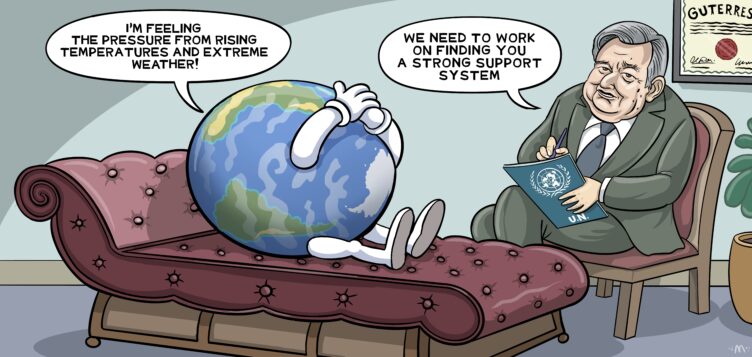
Extreme weather events are causing untold damage around the world. We are probably all feeling the impact of climate change in some way. António Guterres, Secretary-General of the United Nations offers this urgent warning: “We are on a highway to climate hell with our foot on the accelerator.”
Since Guterres made his dramatic statement at the COP27 climate-change conference back in 2022, the climate change debate has raged on: Is our climate really changing? How fast is it occurring? And perhaps most importantly, what can we do about it? In the meantime, the clock is ticking on taking remedial action.
Whether you’re an eco-activist or an armchair observer, the evidence of the impact of climate change is all around us. The worrying list of potentially life-threatening climate-related events includes rising sea levels, melting glaciers, heatwaves, droughts, extreme cold, excessive flooding and warmer oceans.
We need to prepare for climate change to safeguard humanity – and the natural world – not only in the short-term, but also by finding solutions for dealing with longer-term climate-related issues. While there may be a lack of consensus on its scale, it is heartening to see that action is underway to tackle it.
What exactly do we mean by climate change?
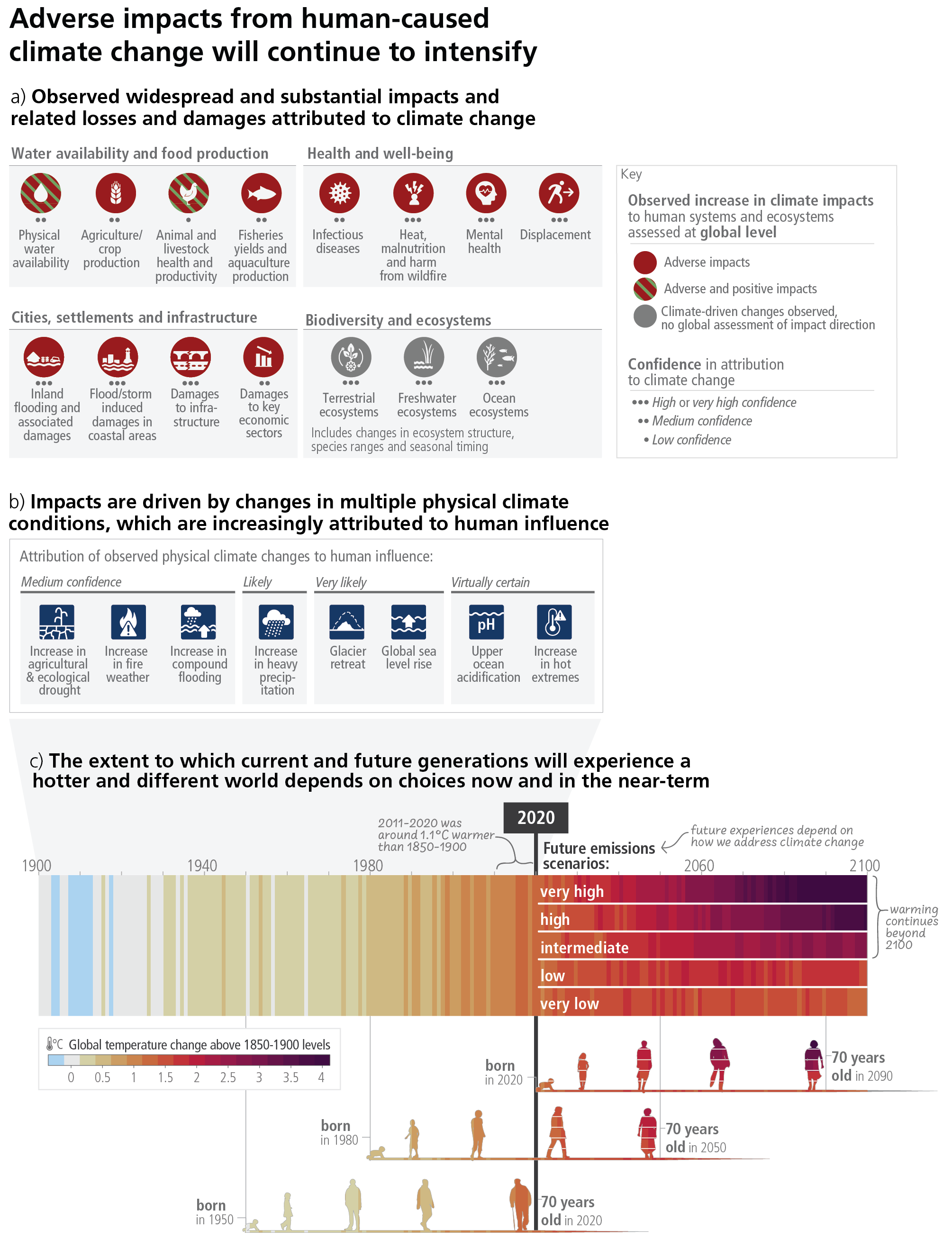
Although the term ‘climate change’ is widely used across society, its precise meaning is rarely fully explained. As I’ve discussed in previous articles, in general terms, climate change relates to changes to weather patterns and temperature. These can be caused naturally or by man[1]. Since the Industrial Revolution in the 1800s, human activity is recognized as being the main driver of climate change[2], largely through the burning of fossil fuels like oil, coal and gas. Climate change isn’t just about temperatures rising though; the planet has interconnected systems, so changes in one area can influence changes in others[3]. Climate change impacts our:
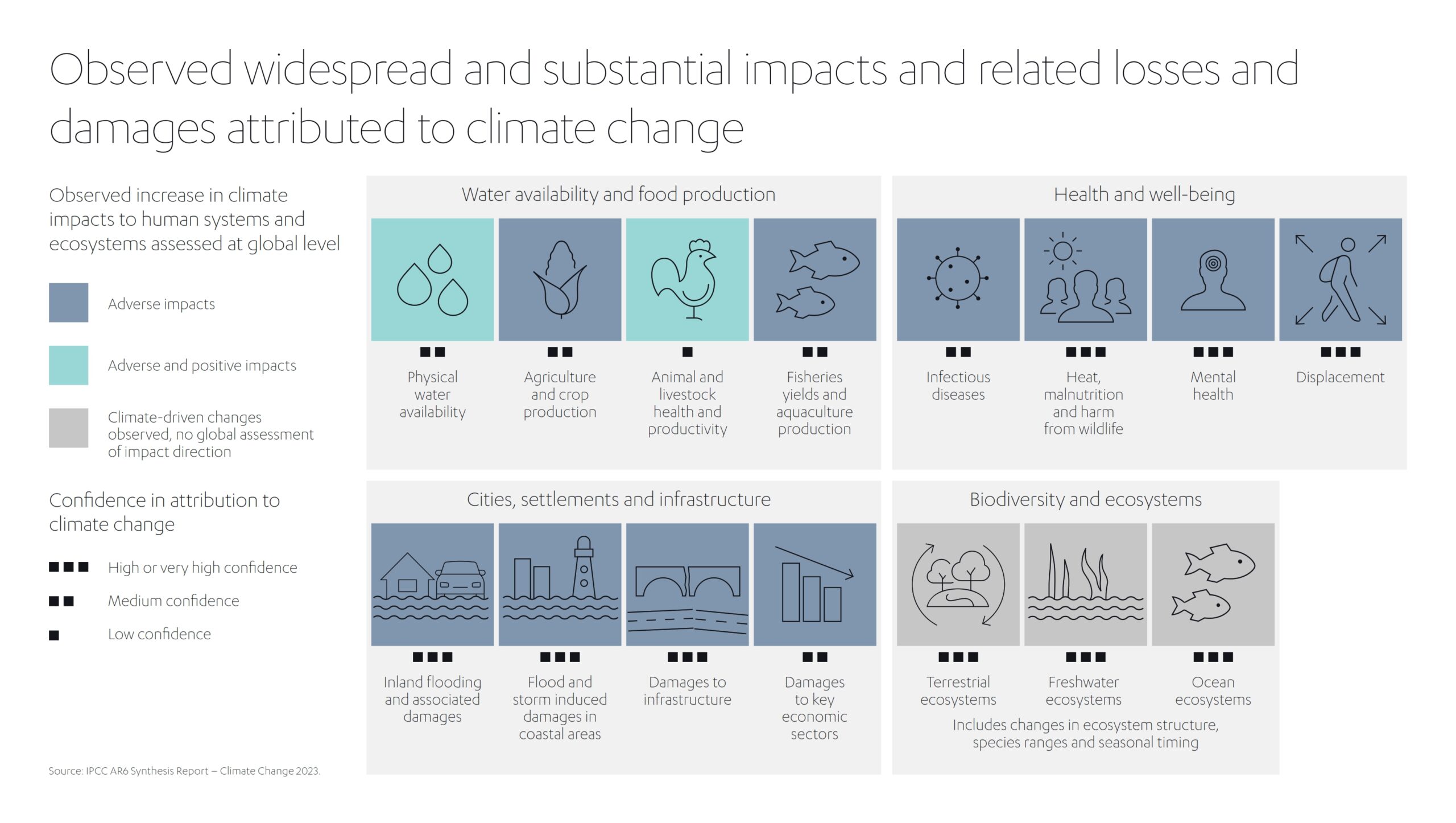
The UN-led Intergovernmental Panel on Climate Change summarizes where it is hitting hardest[4]:
Thankfully, over the past decade governments across the world have woken up to the consequences of such dramatic changes to our planet.
How does climate change wreak havoc?
According to official data, almost half of the world’s population is vulnerable to the impacts of climate change[5]. The UN reported that each of the 10 years to 2024 were the hottest on record[6] and the World Meteorological Organization (WMO) confirmed that 2024 was the hottest ever[7].
The WMO goes on to say greenhouse gases hit record levels in 2023, as did ocean temperatures. Furthermore, it said the rate of sea level rises from 2014 to 2023 was more than double that rate between 1993 and 2002. If that wasn’t bad enough, WMO reports that glaciers lost a record amount of water in 2023.
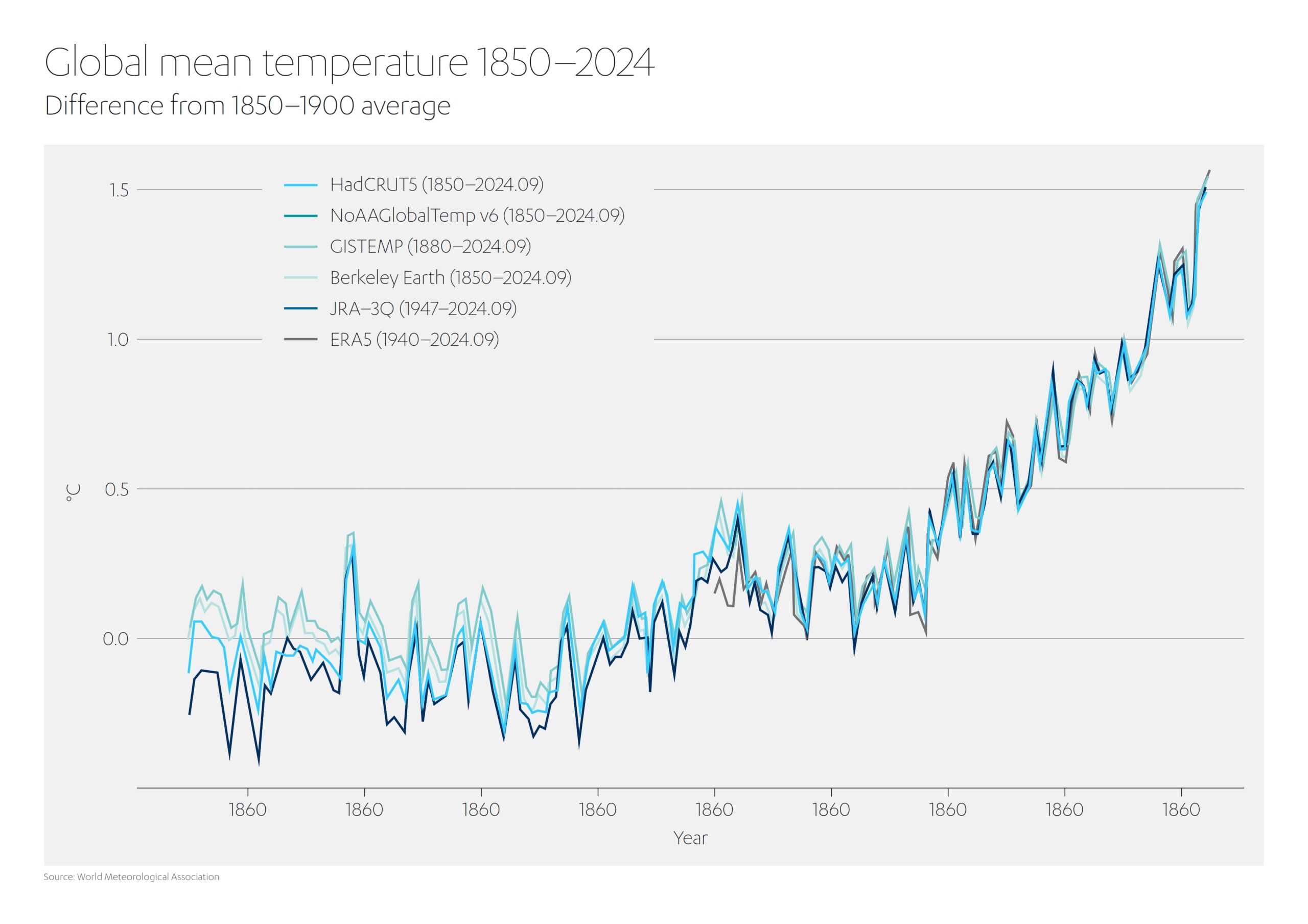
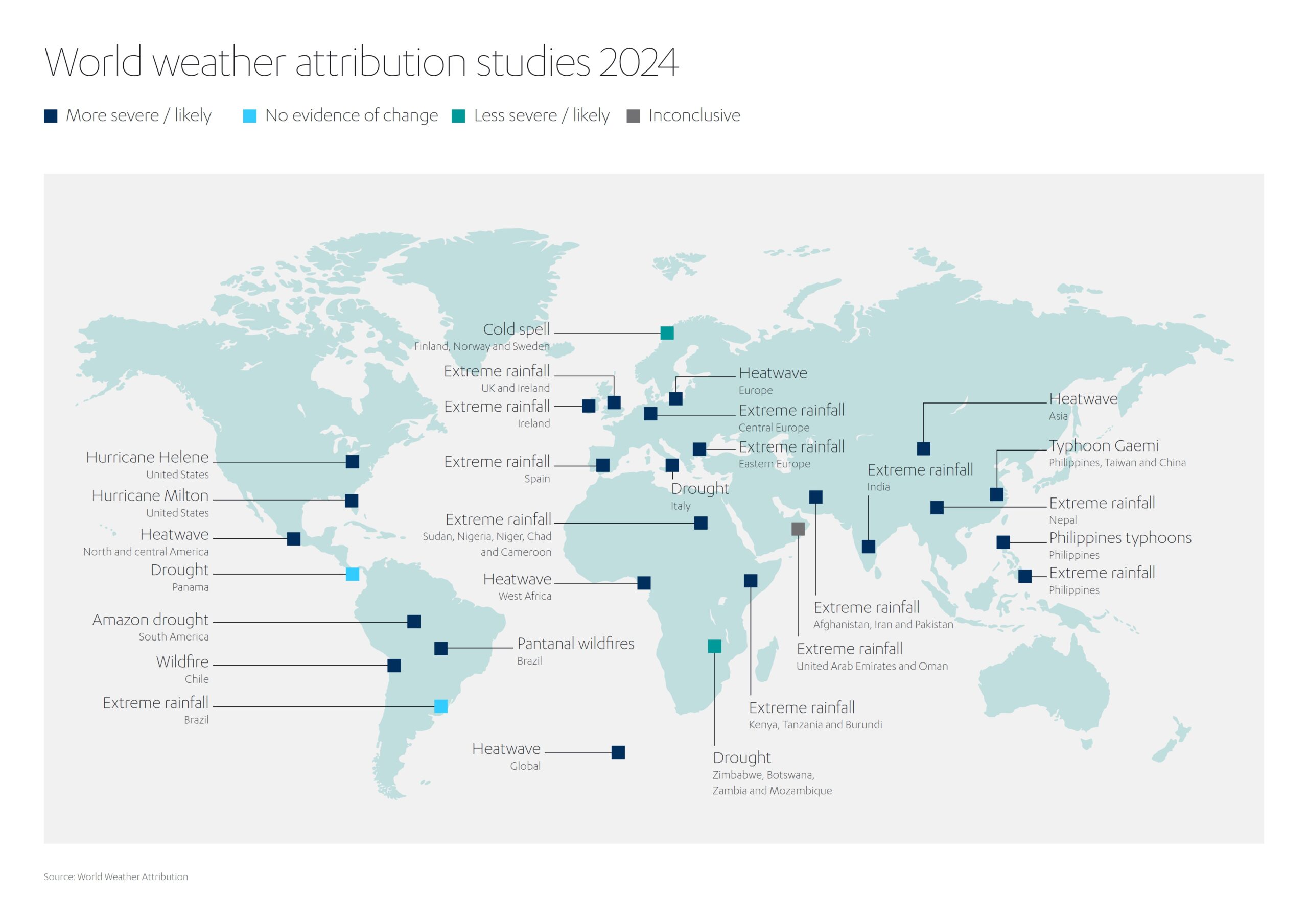
The WMO predicts that temperatures will stay at or near record levels during the next five years[8], while the World Weather Attribution organization describes extreme weather reaching “dangerous new heights in 2024”[9]. It suggests that the number of people killed by extreme weather events intensified in 2024, taking into the tens or even hundreds of thousands.
What is the impact of climate change on different countries?
It goes without saying that all countries are likely to be affected by climate change in some way. Being prepared depends on the type and scale of potential risks that a country faces. It may be extreme heat in arid parts of the world or flooding in coastal zones. The UN Environment Programme[10] details five actions countries can take to prepare themselves:
- Early warning systems
- Ecosystem restoration
- Climate-resilient infrastructure
- Water supplies and security
- Long-term planning
Together, it is hoped these actions can help to mitigate the harm caused by climate change.
As the International Rescue Committee[11] reminds us, it is often the most vulnerable populations that are on the frontline of climate change – despite contributing little to greenhouse gas emissions. These countries are mainly in Africa, Asia and the Middle East. This puts an even greater onus on developed nations to support others in preparing for climate change.
But it’s not just developing countries having to prepare for climate change – developed nations could also be facing some of the worst of the effects of climate change. The threats posed by climate change recognize no borders. Indeed, Europe is the world’s fastest-warming continent, according to the European Environment Agency[12].
Many of the UN’s recommended climate-change actions can be applied at local levels in cities and across communities. Climate change actions in cities and communities may include:
- Planting more trees to help lower temperatures in cities
- Making buildings greener, particularly more energy-efficient
- Designing buildings that are more resilient to climate change, for example, from hurricanes and earthquakes
- Introduce better and more efficient water management so less is wasted
- Improving flood defenses
- Use greener transport with more low-emission and electric vehicles
- Encourage more people to use public transport, cycle or walk
One suggestion is the development of “spongy cities” [13], where natural surroundings like parks and waterways are used as part of flood defenses. Auckland in New Zealand is known for its ‘sponginess’. Here, positive actions include replacing concrete culverts with vegetation, such as reeds and ferns, that absorb water. However, efforts to increase green areas in cities can come up against economic demands to build more housing. Auckland’s relatively low urban density is a case in point as the city faces pressure from developers[14].
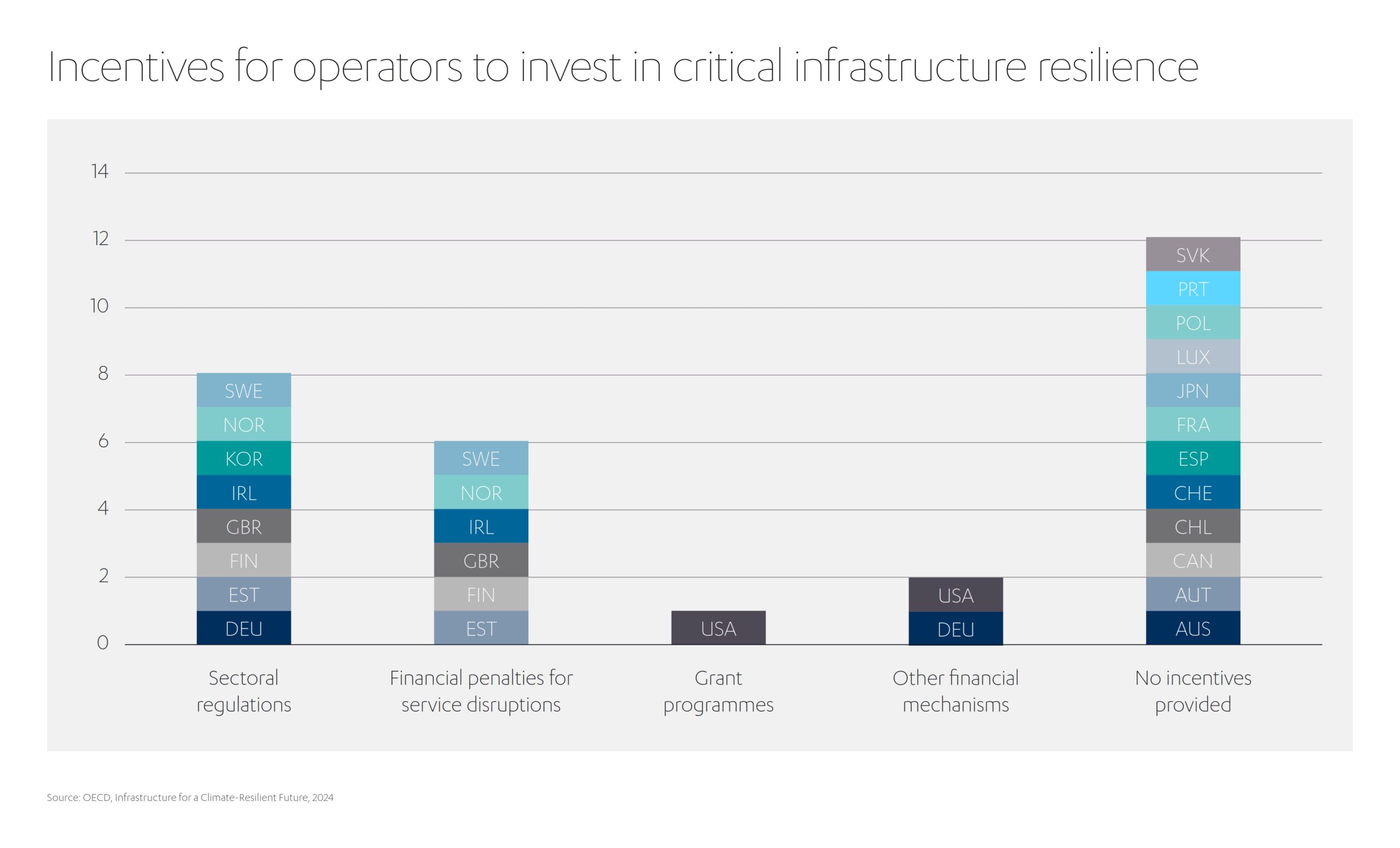
Some countries are pursuing a ‘carrot and stick’ approach to make key infrastructure more resilient to climate change. A combination of incentives and penalties[15] are used to coax or punish infrastructure providers.
The carrot can come in the form of incentives and grants to businesses to make infrastructure more resilient to climate change. The stick applies when regulatory authorities punish developers for failing to meet standards of follow guidelines. For example, penalties and fines can be applied for non-compliance, when projects are delayed, or if transport services are disrupted.
There are plenty of positive examples of cities preparing for climate change from around the world[16], showing how even small changes can make a difference. They show how important it is to build resilience by making it a key consideration early on in construction processes.
Tree planting is one such small step with the potential to make a much larger difference. In Canada, Toronto has a goal to increase the city’s tree canopy to 40% by 2025 with the aim of planting 120,000 trees per year[17]. As well as reducing risks from landslides and flash floods, trees cool urban areas. The city authorities also emphasize that trees can help boost property prices and increase health by filtering out air pollution.
Another small but significant idea is to encourage urban gardens as green spaces in cities. Urban gardens serve the dual purpose of mitigating against the impacts of climate change while feeding the population. Two cities on different continents supporting each other on gardening ideas are Dresden and Brazzaville. In Congo’s capital Brazzaville, a project links gardening and food production with education initiatives in schools. While in Germany, Dresden is leveraging its traditional small allotment gardens to meet its aim of being an ‘edible city’[18].
How can we build greater resilience?
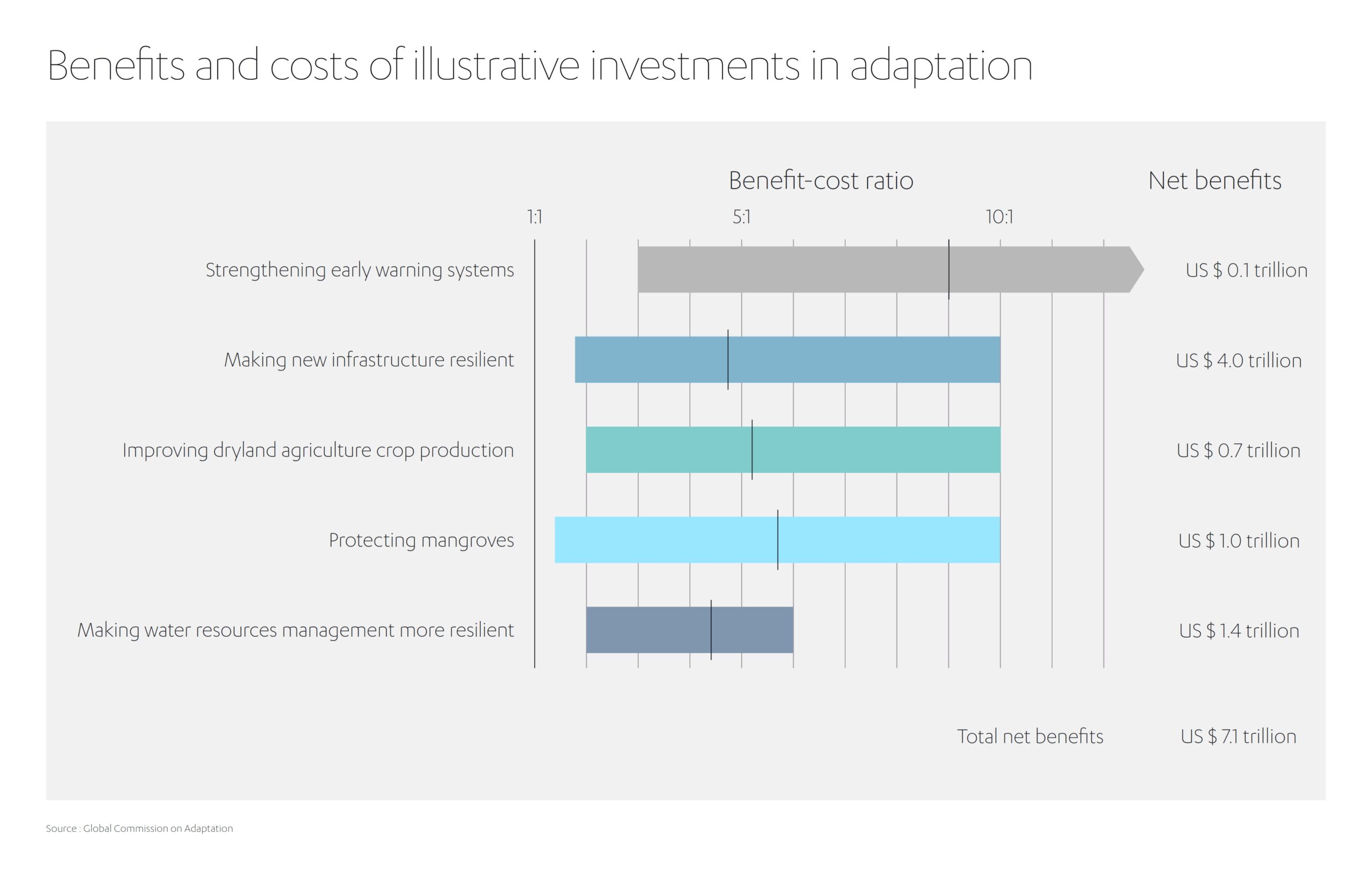
Resilience to climate change takes many forms. The Global Commission on Adaptation (GCA) was set up in 2018 to keep momentum going on climate-change initiatives. It estimates that investing US$ 1.8 trillion in five critical areas between 2020 and 2030 could generate net benefits of US$ 7.1 trillion[19] (see table).
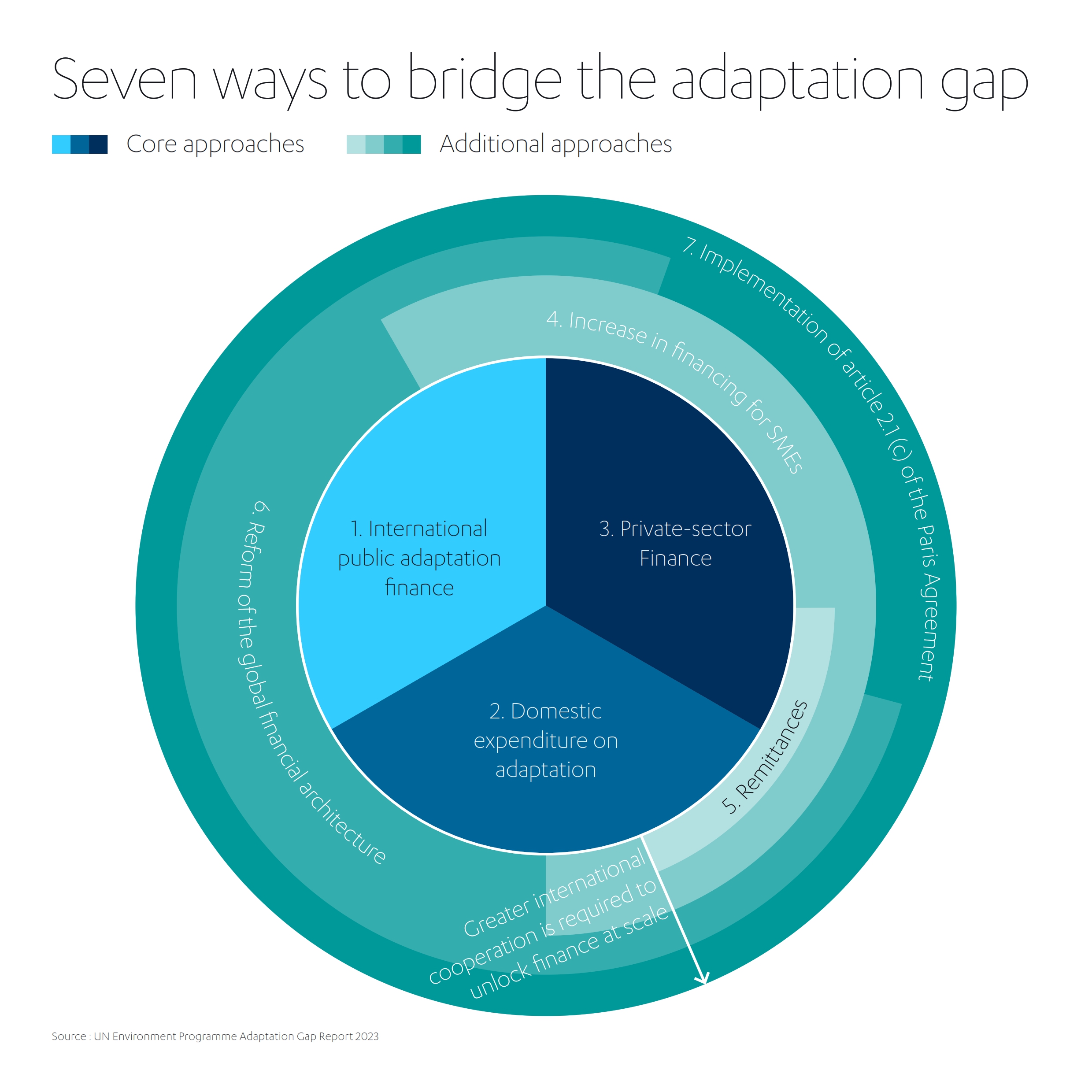
Unsurprisingly, the cost of doing something about climate change can be a sticking point, which seems odd given the substantial cost of ignoring the problem. Insufficient funding for action on climate change is certainly a tricky issue: the UN Environment Programme’s Adaptation Gap Report 2023 is subtitled ‘Underfinanced. Underprepared’[20]. The report looks at seven ways to increase financing through a combination of domestic expenditure international and private sector finance (see graphic).
To be welcomed are initiatives like the UN’s Decade on Ecosystem Restoration 2021-2030, which says “everyone can play a role in bringing back nature”[21] by preventing, halting and reversing the degradation of ecosystems. It includes a “pledge to restore earth” that we can all make.
The thrust of efforts by the UN Office for Disaster Risk Reduction (UNDRR) is around “strengthening the weakest links in the early warning chain”[22]. Another significant observation here is that “you can’t logic people into preparedness”. The solution is more likely to come through better communication and engagement with people most at risk from climate-related disasters. Hence, the UNDRR’s recently launched global platform for reducing risks shows it is taking a “leave no one behind” approach. Elsewhere, the World Bank operates a global facility[23] that is helping poorer countries to reduce their vulnerability, including with grant financing.
Tanzania is a case in point as the country is susceptible to flooding. Efforts to increase tree cover and improve flood preparedness have received US$ 1.7 billion of “resilience investments” from the World Bank [24]. Initiatives include encouraging local communities to map flood-prone areas so more can be understood about where risks are highest. Elsewhere, in Sri Lanka’s capital, Colombo, freshwater wetlands are being protected as part of the city’s flood management strategy[25].
What is the ‘loss and damage’ fund?
We know the damage caused by climate change is already happening and countries are experiencing loss. The question is how to assess, address and mitigate these losses. This is where the concept of ‘loss and damage’ comes in. Loss and damage refers to “the consequences of climate change that go beyond what people can adapt to”[26]. The need for a ‘loss and damage fund’ to compensate the worst affected countries – often in the global south – for the impacts of climate change was officially recognized at COP27 in 2022. Subsequently, a loss and damage fund[27] was established to provide financial support to countries struggling with the damage caused by climate change. At COP28 in 2023, the World Bank was appointed to make the fund operational. By COP29 in 2024, over US$ 720 million had been pledged[28].
Loss and damage can be economic, such as displacement and destruction of livelihoods, as well as non-economic, such as cultural loss. However, the idea of a fund is proving contentious as it poses questions that have yet to be fully answered. Who pays into a loss and damage fund and how much? If a country contributes does that mean it also accepts responsibility and liability for disasters? COP29 sought some clarification on this, with delegates agreeing that funding should be based on cooperation and facilitation rather than liability. The next COP30 in Belem, Brazil in November 2025, will seek further increases in contributions from countries to the loss and damage fund.
Reluctance to support a loss and damage fund can be attributed to some extent on skepticism around its effectiveness. One criticism is that current financial structures are not designed to handle the challenges at the scale that is needed[29]. Taking a targeted approach might be one solution. This could be done by allocating funds based on a country’s vulnerability to climate change and its GDP, suggests policy thinktank the Lowry Institute[30]. The benefit here would be in ensuring funds go where they are most needed.
What role can early warning systems play?
Early warning systems are a recurring theme in much of the debate about preparing for climate change. They are another pragmatic example of how we can best respond to natural events we cannot control. The WMO is a key player in supporting early warning systems[31], with a remit focusing on knowledge, detection, communication and preparedness.
Meanwhile, the Early Warnings for All initiative notes that in 2024, 108 countries had some capacity for multi-hazard early warning systems, up from 52 countries in 2015[32]. Early warning systems can include:
- Collecting data to improve knowledge of disaster risk
- Developing detection, observation and monitoring services
- Communicating information about risks
- Building national and community response capabilities
Haiti, for example, which is vulnerable to a devastating combination of hurricanes, floods and earthquakes, is using World Bank funding to establish protocols so authorities can be better prepared and able to respond to threats more effectively[33]. Another region that is particularly exposed to flood risk is the Lower Mekong Basin in Asia, which can suffer from dramatic changes in its wet and dry seasons. A flood warning system as part of a WMO project in Cambodia and Lao PDR[34] creates daily updates and can provide up to five days advance warning of potential problems, so communities have a vital window to prepare and respond to danger.
The massive volumes of data analysis required in weather warning systems mean artificial intelligence (AI) is inevitably coming to the fore. AI is seen as a way to fill knowledge gaps in regions where weather data is limited. Indeed, the WMO is encouraging AI weather predictions to enhance access for more countries to technology tools that anticipate weather-related disasters[35].
I’m proud to say that Community Jameel, the global philanthropy of the Jameel family, is playing an active role in building early warning systems and strengthening climate resilience in at-risk communities.
Founded in 2021, the Jameel Observatory is a global platform working at the interface of climate, natural disasters, agricultural and food systems, and health focusing on low-and-middle income countries. It uses data and evidence to help communities and governments to prepare for – and act upon – environmental shocks, as well as the impacts of climate change on livelihoods and wellbeing. The platform guides the work of the Jameel Observatory for Food Security Early Action, led by the University of Edinburgh, and the Jameel Observatory Climate Resilience Early Warning System Network (CREWSnet), led by MIT.
The Jameel Observatory-CREWSnet is one of MIT’s five Climate Grand Challenges flagship projects. It seeks to empower communities worldwide to adapt to climate shocks by combining state-of-the-art climate and socioeconomic forecasting techniques with technological solutions. With an initial focus on communities in southwest Bangladesh and Sudan, the aim is to provide enough information on the weather to come for communities to prepare and manage the risk, bringing research out of the laboratory and into the field, where it can help to alleviate poverty through improved productivity.
Similarly, the Jameel Observatory for Food Security Early Action aims to ensure that vulnerable pastoral and agro-pastoral communities in East Africa are more prepared for and resilient to the effects of evolving environmental shocks and stresses on their food security and nutrition.
Can we ever be prepared enough for the impacts of climate change?
Climate change is – quite rightly – a clear cause for alarm for communities across the globe. Fortunately, the warning bell is being heard, even if a little reluctantly in some quarters. Despite the scale of the challenges facing our planet, and the sometimes gloomy predictions in the media, I firmly believe there is much to feel positive about. With resilience, commitment and adaptability, blended with innovative thinking and sheer determination, we can protect the world by working together to mitigate and adapt to the worst effects of
climate change.
Fast facts: Preparing for climate change
Q: How many people worldwide are vulnerable to the impacts of climate change?
A: Almost half of the world’s population is vulnerable to the impacts of climate change, according to official data.
Q: What was significant about global temperatures in 2024?
A: 2024 was confirmed as the hottest year ever on record, with each of the 10 years leading up to 2024 also being the hottest on record.
Q: What could investing US$ 1.8 trillion in climate resilience generate in benefits?
A: The Global Commission on Adaptation estimates that investing US$ 1.8 trillion in five critical climate resilience areas between 2020 and 2030 could generate net benefits of US$ 7.1 trillion.
Q: How much has been pledged to the Loss and Damage Fund by COP29?
A: By COP29 in 2024, over US$ 720 million had been pledged to the Loss and Damage Fund, which provides financial support to countries struggling with climate change damage.
Q: How many countries had early warning systems capacity by 2024?
A: 108 countries had some capacity for multi-hazard early warning systems in 2024, up from just 52 countries in 2015.
[1] https://www.un.org/en/climatechange/what-is-climate-change
[2] https://www.ipcc.ch/2021/08/09/ar6-wg1-20210809-pr/
[3] https://www.un.org/en/climatechange/what-is-climate-change
[4] https://www.ipcc.ch/report/ar6/syr/downloads/figures/IPCC_AR6_SYR_SPM_Figure1.png
[5] https://www.un.org/en/climatechange/climate-adaptation
[6] https://wmo.int/media/news/climate-change-impacts-grip-globe-2024
[7] https://wmo.int/news/media-centre/2024-track-be-hottest-year-record-warming-temporarily-hits-15degc
[8] https://wmo.int/news/media-centre/global-climate-predictions-show-temperatures-expected-remain-or-near-record-levels-coming-5-years
[9] https://www.worldweatherattribution.org/when-risks-become-reality-extreme-weather-in-2024/
[10] https://www.unep.org/news-and-stories/story/5-ways-countries-can-adapt-climate-crisis
[11] https://www.rescue.org/uk/article/10-countries-risk-climate-disaster
[12] https://www.eea.europa.eu/en/topics/in-depth/climate-change-impacts-risks-and-adaptation
[13] https://foresight.skanska.com/resilience/designing-and-building-climate-resilient-cities/
[14] https://www.weforum.org/videos/auckland-is-the-worlds-spongiest-city/
[15] https://www.oecd.org/content/dam/oecd/en/publications/reports/2024/04/infrastructure-for-a-climate-resilient-future_c6c0dc64/a74a45b0-en.pdf
[16] https://gca.org/wp-content/uploads/2019/09/GlobalCommission_Report_FINAL.pdf
[17] https://www.cbc.ca/news/canada/toronto/toronto-urban-forests-housing-challenge-1.7178210
[18] https://www.connective-cities.net/wp-content/uploads/2025/06/Dresden_and_Brazzaville_embrace_urban_gardening_28.pdf
[19] https://gca.org/wp-content/uploads/2019/09/GlobalCommission_Report_FINAL.pdf
[20] https://www.unep.org/resources/adaptation-gap-report-2023
[21] https://www.decadeonrestoration.org/
[22] https://www.undrr.org/news/global-platform-elevates-risk-communication-essential-disaster-risk-reduction
[24] https://www.worldbank.org/en/news/immersive-story/2025/06/16/gfdrr-engagement-with-tanzania
[25] https://blogs.worldbank.org/en/endpovertyinsouthasia/wetland-centers-and-fight-against-climate-change
[26] https://www.wri.org/insights/loss-damage-climate-change
[27] https://unfccc.int/establishing-a-dedicated-fund-for-loss-and-damage
[28] https://cop29.az/en/media-hub/news/fund-for-responding-to-loss-and-damage-ready-to-accept-contributions
[29] https://ecdpm.org/work/broken-promise-loss-and-damage-finance-can-europe-help
[30] https://www.lowyinstitute.org/publications/climate-loss-damage-fund-works
[31] https://wmo.int/activities/early-warnings-all/wmo-and-early-warnings-all-initiative
[32] https://earlywarningsforall.org/site/early-warnings-all
[33] https://blogs.worldbank.org/en/dev4peace/scaling-early-warning-systems-communities-fragile-and-conflict-zones
[34] https://library.wmo.int/viewer/69588/download?file=CREWS-Stories-Success-Cambodia-Lao-2025_en.pdf&type=pdf&navigator=1
[35] https://wmo.int/media/news/ai-powered-meteorology-supports-early-warnings-all?book=22533


 Added to press kit